Showing posts with label Oregon Trail. Show all posts

Monday, September 11, 2017

Real Life (Well, a Commercial) Imitates Our Graphic Novel!

When I was writing the Oregon Trail graphic novel, I decided that Col. McCarty, the leader of the fictional wagon train in Road to Destiny, would be "played" by the likable actor Jeff Bridges. This suggestion, which artist David Lasky embraced, brought a certain character to McCarty that helped the reader accept--and, I hoped, like--the character.

(pardon the cell phone photos)

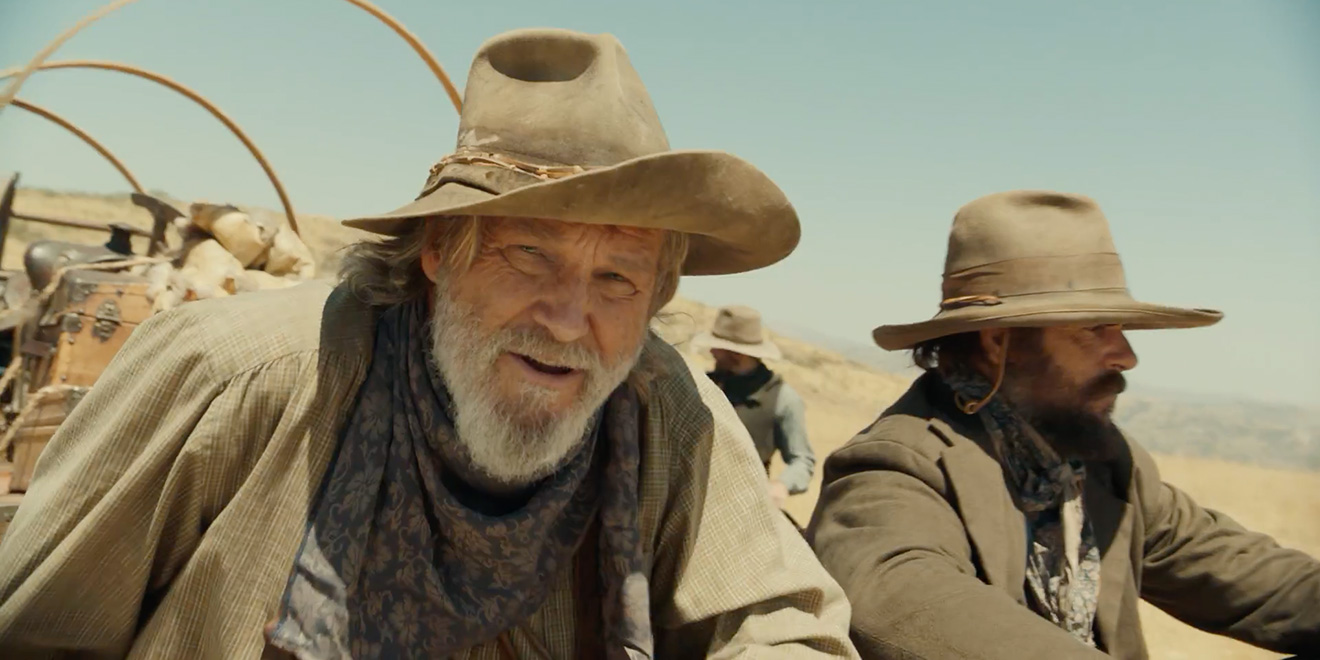
Well, Lyft, that kinder, gentler alternative to Uber, must have seen our graphic novel, or gotten the same general idea...


Their new ad campaign stars Jeff Bridges, and can be seen here. The ad makers have the darned wagons being driven by horses, which continues the Hollywood myth that horses were capable of being such sturdy beasts of burden. Oxen aren't sexy, for sure, but... oh, pardon me. Don't get me started on that horse vs. ox business!

Anyhow, we got a kick out of seeing Mr. Bridges on an Oregon-bound wagon train. And in my next post, I'm going to finally get off my keester and visit the End of the Oregon Trail Interpretive Center, whose great Heidi Hollister was such a huge and kind help to David and I when we created this graphic novel.

Friday, August 5, 2011

Some Horse Sense About Oxen--the Transportation of The Trail!


If you've ever seen an old Hollywood Western about frontier days, the Oregon Trail, or other Westward migrations, you've been fed a small falsehood.

Those movies, while quite entertaining, insisted on using horses as the animals who conveyed the migrants' covered wagons to the new Territories.

In truth, oxen were the preferred vehicle for Oregon Trail travelers. They cost less than horses, were sturdier, and needed less maintenance. Oxen ate grass, not oats. If there was green on the ground, they could graze to their heart's (and stomach's) content after a long day's trek on the Trail.

Oxen aren't as photogenic as horses, plain and simple. (We think they look pretty cool--they're fun to draw, as well!) Thus, movie makers chose the handsomer horse to lead wagoner's creaking carts on that long, dusty trail.

Next time you see a classic Oregon Trail movie, like the Jimmy Stewart-led 1952 Bend of the River, or the grim, excellent 1951 film Westward, the Women, try to find an ox in the cast! There may be one or two in the background, but the covered wagons will be drawn by horses.

Our graphic novel hopes to put an end to this horsey myth. Oxen rule!

Saturday, July 30, 2011

Diary of An Un-Wimpy Kid--The Road to Destiny

This blog is devoted to a new original graphic novel created by David Lasky and Frank Young, entitled OREGON TRAIL: THE ROAD TO DESTINY. This 120-page, black and white graphic novel tells a lively story, based on American history. In the book, you'll meet Rebecca Weston, a smart, observant 11 year-old who chronicles the journey of a lifetime.

Rebecca and her family, based in bustling, grimy Baltimore, leave family, friends and familiar places behind in 1848. They take a life-changing trip along the Oregon Trail to find a new life for themselves in the yet-untamed Pacific Northwest.

Rebecca's father, John, is a newspaper writer. Inspired by his career, Rebecca decides to chronicle her family's trip.  Her narration informs the story throughout.

The Road to Destiny shows the ups and downs of this often-grueling journey. David and I enjoyed creating the character of Rebecca. Her viewpoint gave us a fresh and personable way to tell this story.

Rebecca's use of a diary is historically accurate. Much of the information we have about the experience of the Oregon Trail comes from personal accounts.

We have become so accustomed to the Internet, to PDAs, to the ease at which we can record our thoughts and observations. Many of us have portable telephones which can take digital photographs. On a whim, we can send these images to friends all around the world.

It's food for thought to realize how precious and fleeting these experiences are, and how much harder it was for people to capture them in the 19th century.

We kept this in mind in our characterization of Rebecca. She is most certainly not a wimpy kid...